Historical Overview
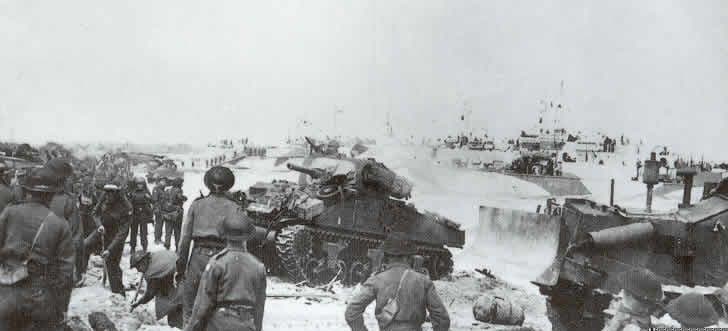
During World War II, Canada played a pivotal role in the Allied invasion of Normandy, known as D-Day, on June 6, 1944. This operation marked a significant turning point in the war against Nazi Germany, aiming to establish a Western European front and liberate occupied territories. Canadian forces made substantial contributions across air, sea, and land operations, particularly distinguishing themselves in the assault on Juno Beach.
Preparation and Deployment
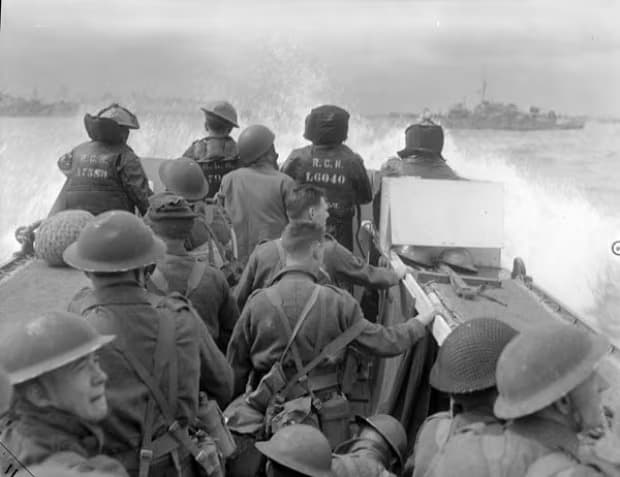
Canada's involvement in D-Day was part of Operation Overlord, meticulously planned under the command of Allied Supreme Commander Dwight D. Eisenhower. The Canadian contribution included the 3rd Infantry Division and elements of the 2nd Armoured Brigade, tasked with landing on Juno Beach. This beach, situated between the British Gold and Sword beaches, presented a formidable challenge due to its fortified defenses and natural obstacles.
Military Contribution
The Royal Canadian Air Force (RCAF) provided critical air support with fighter and fighter-bomber squadrons, tasked with suppressing enemy positions and protecting the invading forces. Meanwhile, the Royal Canadian Navy (RCN) deployed a fleet of warships, contributing significantly to the amphibious assault by providing naval gunfire support, transporting troops, and ensuring the safety of the invasion fleet.
Juno Beach Assault
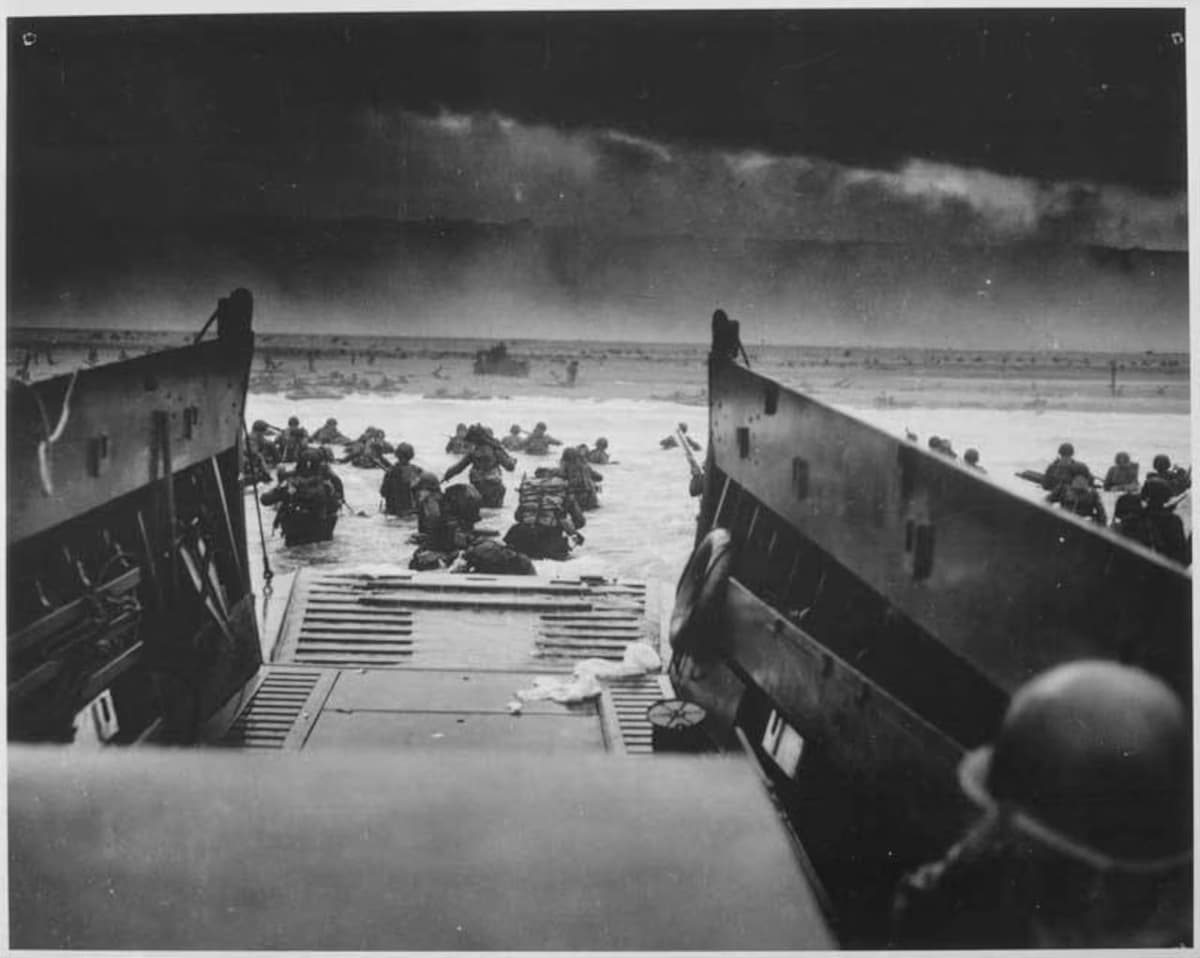
On the morning of June 6, 1944, Canadian soldiers stormed Juno Beach amidst heavy German resistance. The initial assault faced intense opposition, including artillery fire and fortified machine gun nests. Despite these challenges, Canadian troops exhibited remarkable courage and resilience, pushing inland throughout the day.
Before dawn we could hear aircraft from Britain carrying paratroopers across the [English] Channel. Then daylight came, and the sky was filled with bombers and fighters, and there before us was France, with all these landing craft streaming towards it. It was just amazing.
Desmond Piers
Casualties and Sacrifice
The assault on Juno Beach exacted a heavy toll on Canadian forces. By the end of D-Day, Canada had suffered 1,074 casualties, with 359 soldiers killed. The fierce resistance encountered underscores the bravery and determination of Canadian troops, who persevered despite daunting odds.
Strategic Importance
Securing Juno Beach was crucial for the Allied invasion's success. It provided a strategic foothold in Normandy, allowing for the establishment of a beachhead from which Allied forces could expand their operations inland. The capture of Juno Beach also facilitated coordination with neighboring British and American forces, enhancing the overall effectiveness of the Allied advance.
Outcome
D-Day was a pivotal Allied victory. It established a crucial foothold in Western Europe and marked the beginning of the end for Nazi Germany. Casualties were heavy, with thousands of soldiers killed, wounded, or missing.
Consequences
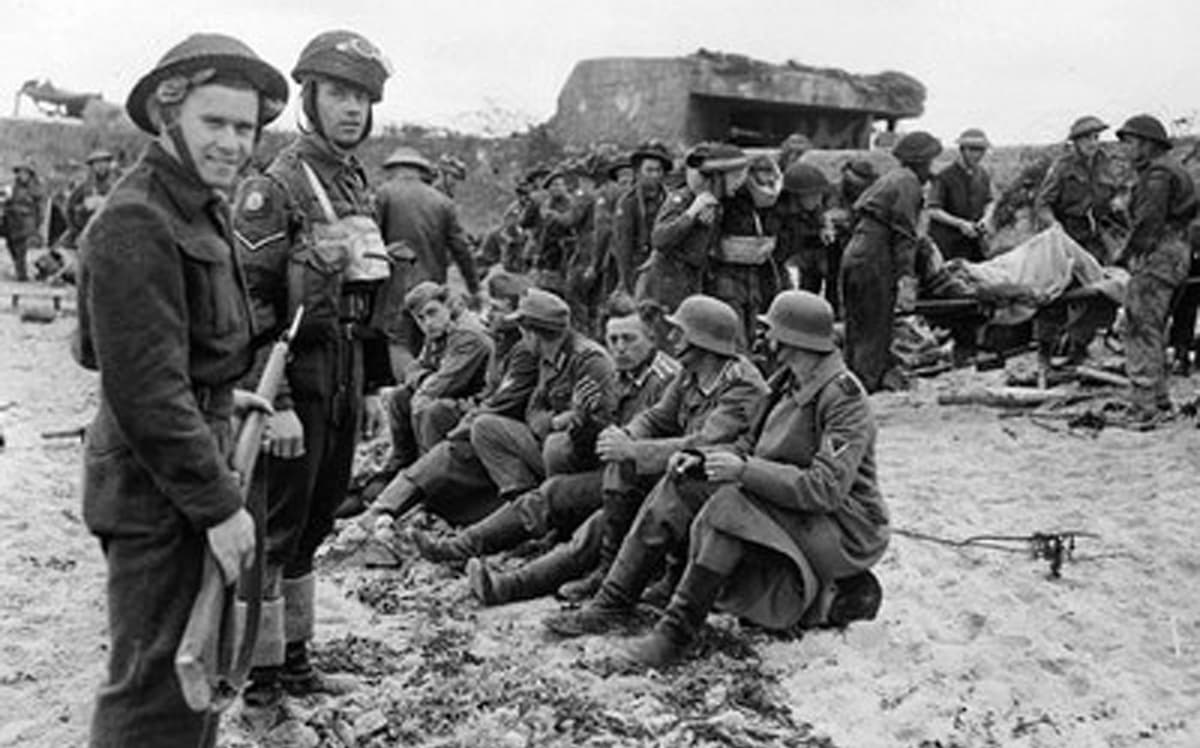
Short-term: D-Day led to the liberation of France and the eventual defeat of Nazi Germany. Long-term: It set the stage for the Allied invasion of Germany and the end of World War II in Europe.
Legacy and Commemoration
Today, Canada's contributions on D-Day are commemorated through various memorials and remembrance ceremonies. The Canadian War Cemetery at Bény-sur-Mer, near Juno Beach, stands as a solemn tribute to those who made the ultimate sacrifice. The Juno Beach Centre, a museum overlooking the beach, preserves the memory of Canada's role in the Normandy campaign, educating visitors about the courage and valor displayed by Canadian soldiers.
Ratings for Historical Significance
How significant was Canada’s contribution to the battle?
- Explanation: Canada’s role in D-Day was crucial, as Canadian forces successfully secured Juno Beach and played a vital part in the overall Allied success. Their efforts demonstrated Canada’s military prowess and commitment to the Allied cause during WWII.
How significant was the battle for achieving Allied victory in WWII?
- Explanation: D-Day was a turning point in WWII. It marked the beginning of the liberation of Western Europe from Nazi control and significantly weakened Germany’s hold on the continent. The successful establishment of a beachhead allowed the Allies to advance and eventually defeat Germany, which also made it one of the most decisive battles of the war.